

Barefoot imagination
The child who once sang loudly still knows the way back.

Ngwana yo o sa leleng o swela tharing: A child who does not cry dies on the back.
In Tswana homes, a mother knots a long cloth around her waist and shoulders, fastening her child against the warm geography of her back. The baby rides there, a small moon tucked behind her spine, carried through the theater of the day. If something begins to feel wrong, the child cries. The sound travels through the cloth entering the mother’s body like a tremor. She pauses. Her hands stop mid-motion. The knot loosens, the child is moved and the world responds to the urgent voice.
The proverb, ngwana yo o sa leleng o swela tharing, breathes inside the wider pulse of botho, the understanding that a person is a field of light reflected in other people. In many Tswana spaces, expression is collective. Someone begins a song, perhaps absentmindedly while stirring a pot, and another voice slips in beside it. A story begins in one corner of the room and travels across the floor, collecting new details as each person adds their version; laughter rises somewhere near the doorway. Someone stands to dance for a moment and another person joins before either of them notices.
In shared moments like this, imagination slips out the side door and runs barefoot.
But life is a careful gardener, gathering expectations over time as creativity begins to negotiate within. Then years later, you find yourself scrolling through your phone and suddenly a Hayao Miyazaki meme appears. I always pause when I see one. They are usually hilarious, but I also love the way Miyazaki speaks about storytelling.
He believes stories feel more alive when they leave room for imagination, and that children understand this because they do not need everything explained to them.
His films capture that openness. A child wanders into a forest and meets something ancient that seems to have been waiting there for centuries. A girl sits by the window of a train that glides across open water while the horizon stretches out in silence. A young witch arrives in a new city and learns to live on her own, baking bread and delivering packages while she figures out where she belongs.
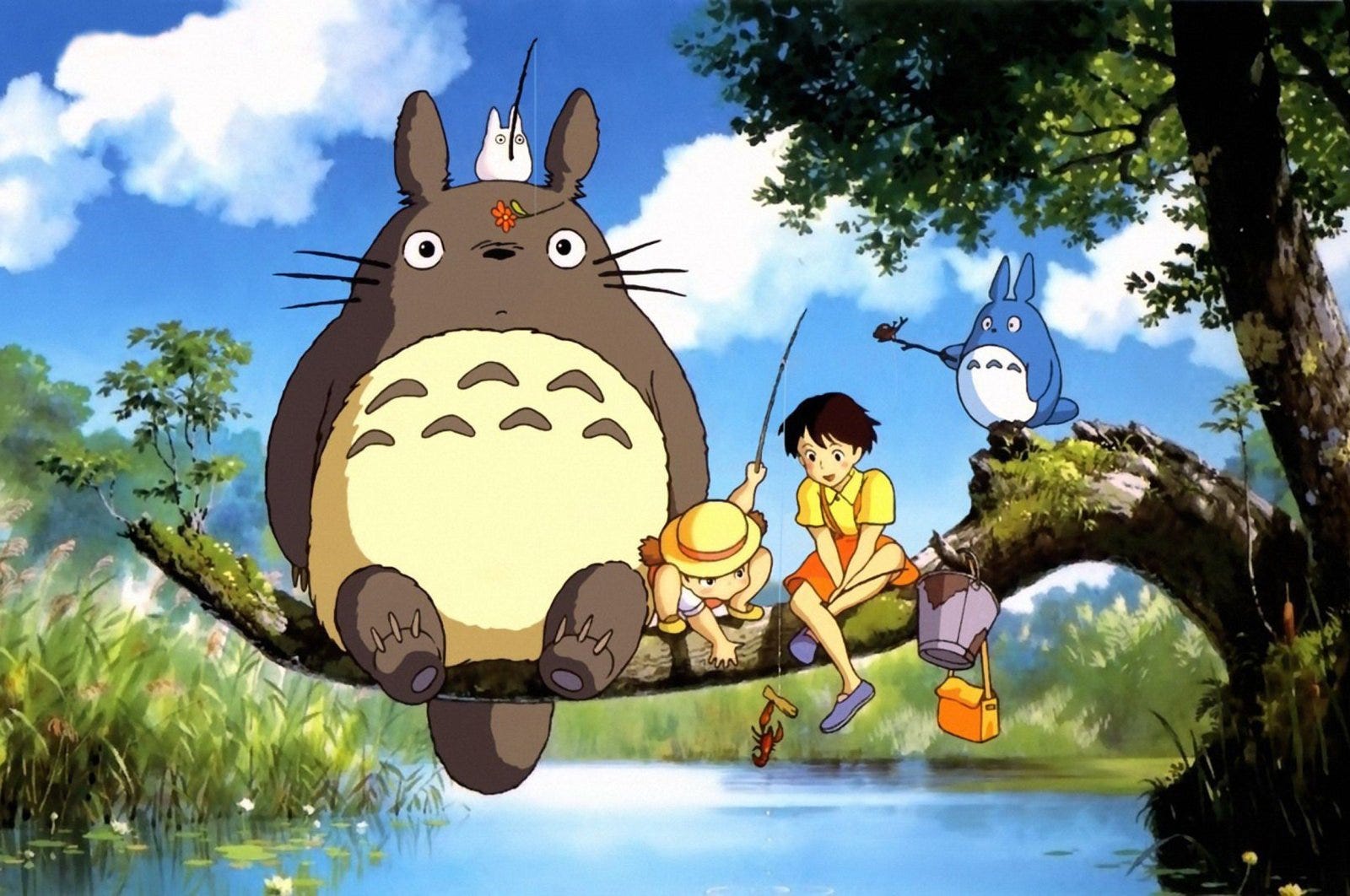
When a child sings without staying on key, adults clap. When they draw houses that lean like drunk sailors, the drawing earns a sacred place on the refrigerator door. We encourage the attempt and ask them to keep going.
But somewhere between the refrigerator door and the classroom desk, the wildness of that encouragement begins to shrink.
Structured education promises opportunity and often touts its role in preparing children for a stable future. However, the doors it opens arrive with a list of instructions. New languages appear, along with new rules for speaking, and new ways of deciding what counts as “good” work. Expression begins to adjust itself to those measures, many of which come from traditions that live far from the communities where the student first learned to imagine.
The change begins with small seeds that fall into the soil of a child’s mind, appearing harmless: a teacher praises neat answers written in tidy rows, a classroom learns to reward the student who follows instructions, and a “wrong” answer invites laughter that lingers longer than expected. The seeds expand and the child who once invented entire worlds from blankets and kitchen chairs starts to examine each idea against a standard that lives somewhere outside of them.
Years later, the garden is fully organized. Artists belong over there, dancers occupy another corner, musicians, writers, actors each receive their own tidy category. Everyone else? Drift into the audience!
Do you remember why you stopped being expressive?
The last time you danced across your kitchen floor with no music playing.
The meal you invented from whatever was waiting in the refrigerator.
The ‘crazy’ outfit you stepped out in because Tuesdays deserve fits.
The song you sang loudly in the car with the windows down.
The notebook page where you doodled while listening to someone talk, turning the corner into flowers.
The room you rearranged late at night until the furniture finally felt like it belonged to you.
The thought you almost offered in conversation before swallowing it.
Life feels ridiculously loud right now with opinions, headlines, alerts, and systems that prefer everyone to move in predictable directions. Creativity has always carried a small rebellious instinct within it. To wander in thought is to tilt the noise sideways.
A child wrapped against their mother’s back cries when something feels wrong. The sound travels through the cloth and into her body, and she pauses to listen.
Expression works much the same way. The moment you sing, write, plant, or speak a thought that has been patiently waiting…
The child cries.
And somewhere, deep in the body of the world, something pauses to listen.